
When toddlers join dance, gymnastics, or sports classes, their clothing needs to change. Everyday outfits won’t always cut it. These activities demand movement, flexibility, and comfort. Clothes that are too big can get in the way. Too small, and they restrict motion. The right fit isn’t just about appearance. It plays a direct role in safety, performance, and confidence. For toddlers just starting out, the right size gives them the freedom to move naturally and focus on fun. That’s where practical clothing tips for toddlers become especially helpful in guiding parents toward choices that support active play and healthy development.
Understanding Activity Needs
Each class type comes with its own physical demands. Dance requires full-body movement and precision. Gymnastics focuses on flexibility and balance. Sports often involve quick changes in direction and bursts of energy. Clothing should support, not limit, these movements. For example, a leotard that’s too tight in a dance class can cut into the skin or make stretching painful. Loose gym shorts in a tumbling class might slip down or bunch up. Sizing toddler workout clothes starts by knowing what the activity involves and how the body needs to move.
Prioritizing Fabric and Stretch
Size isn’t just about the number on a label. Fabric plays a big role in how something fits. Look for materials with stretch that bounce back to shape after movement. Soft, breathable fabrics help regulate body temperature and reduce irritation. For toddlers, this comfort is critical. They don’t always speak up when something feels wrong. A properly sized outfit made from flexible material will move with it, not against it. This makes it easier for them to bend, reach, and twist without distraction.
Testing for the Right Fit
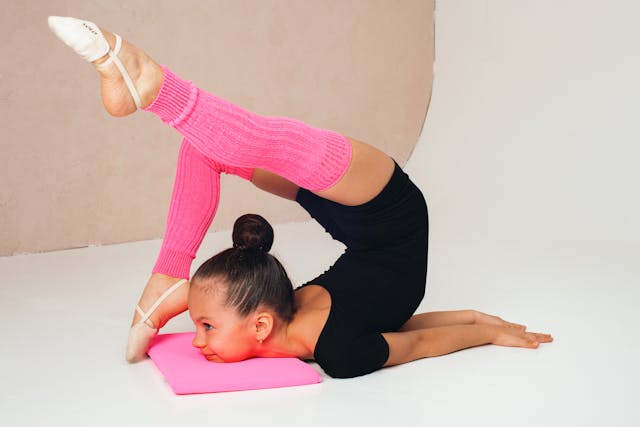
Trying on clothes isn’t just about checking length. It’s important to watch how the outfit moves when the child moves. Ask them to squat, raise their arms, or touch their toes. See if the waistband stays put or if the fabric rides up. If it pulls too tightly or shifts out of place, it may not be the right size. Parents can also check for red marks on the skin after a class. These are signs the clothing is too snug in certain areas. A unique test for toddlers is simply letting them play for a few minutes. If they keep tugging at the clothing, it’s a sign of discomfort.
Adjusting for Growth
Toddlers grow fast, and that makes sizing tricky. Buying clothing that fits just right today might mean it’s too small in a month. But going too large too soon can cause safety concerns. There’s a balance. Choose clothing that allows for a little room to grow without looking baggy or falling out of place. Waistbands should be flexible, and straps should stay secure on shoulders. For items like dance shoes or gymnastic slippers, getting fitted in-store can help ensure the utmost comfort and safety.
Matching Gear to the Environment
Some activities are indoors with air conditioning. Others happen outside under the sun. The temperature and space affect clothing choices. A toddler in an outdoor sports class might need moisture-wicking tops, while one in an indoor dance studio may benefit from layers that can be removed. Layered outfits can also help with fit. A snug tank under a slightly looser top keeps everything in place while giving more flexibility with sizing. In all cases, clothes should allow free movement while maintaining breathability.
In Conclusion
Finally, it’s important to involve your toddler in the process. They may not have the vocabulary to explain discomfort, but their reactions say a lot. If they resist putting on an outfit or refuse to join the activity once dressed, the fit may be part of the problem. Sometimes the fabric feels scratchy, or a seam irritates their skin. Sometimes the item simply feels too tight in one area. Dressing for an activity should never feel like a chore. When toddlers feel good about what they’re wearing, they’re more likely to engage confidently and enjoy the class.