
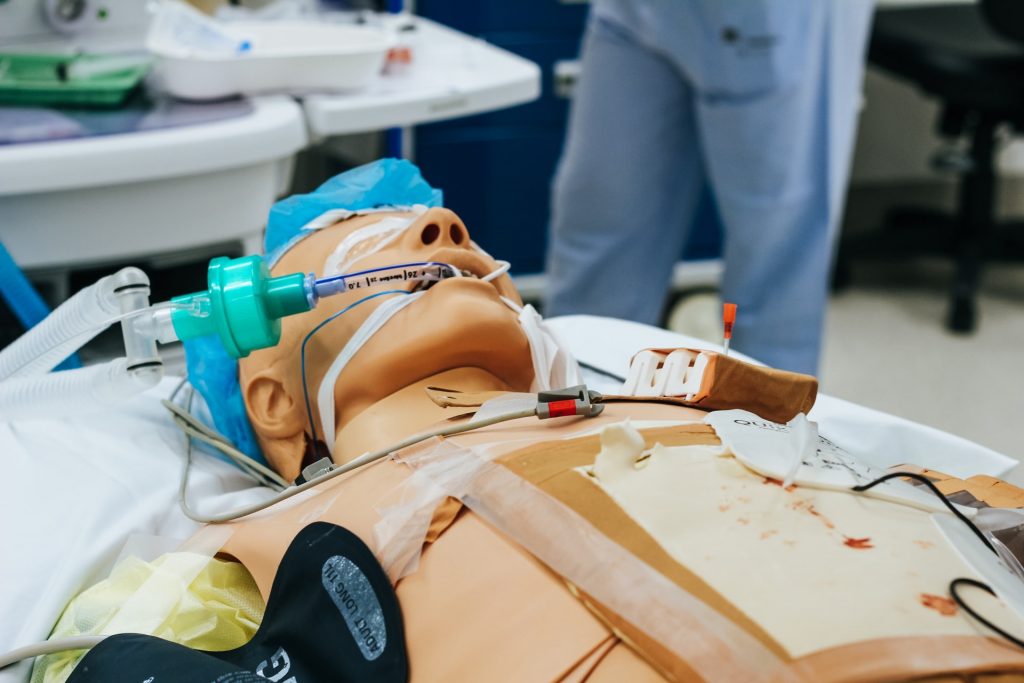
Healthcare simulation is a technique used to enhance or extend real-world experiences through a guided practice that evokes or interactively reproduces essential real-world details. Healthcare simulation utilizes numerous tools ranging from artificial or simulated healthcare environments that contain virtually everything seen in a real-world clinical setting to virtual healthcare environments in a digital format. If you check anaes.fr, you can learn about promoting health simulation for risk management.
Creates Interactive Environment
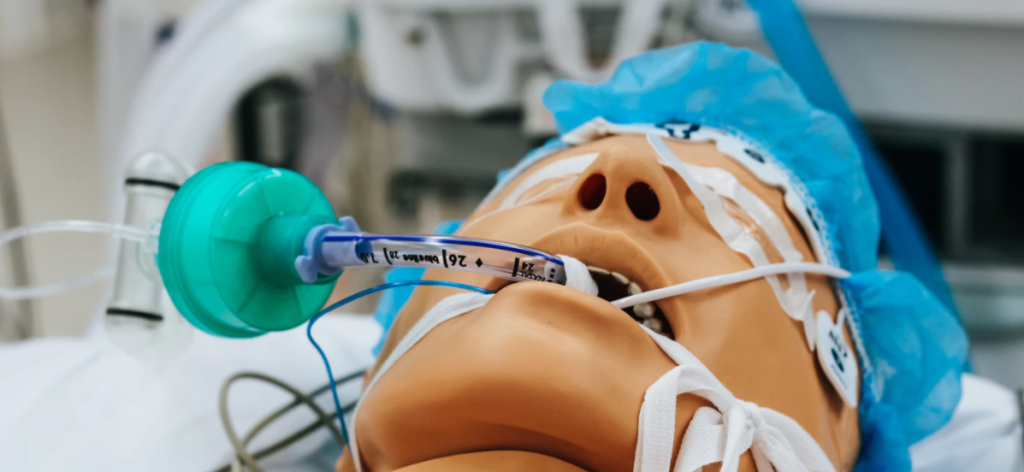
 From the immersive output, individuals alone or together with technologically innovative mannequins representing alien and normal anatomy can create interactive environments. On the other hand, the standard drawback of digital simulation isn’t just let hands-on instruction has become a great advantage in a coronavirus order because virtual simulation could fill the void in health classrooms when medical campuses have closed. This type of training has helped many soon to be professionals complete their training.
Promotes Long Term Retention
The vast majority cannot completely replace medical classes with virtual simulation independently. In an environment where health care systems are being tested beyond their limits, we cannot afford not to ensure the long-term retention of the health care workforce. Simulation, in more ways than one, continues to be a game-changer in terms of the caliber of health education and preparation for student learning, but we’ve never needed to do that because we don’t currently have clinical encounters. Given that many medical schools are well prepared to augment their curricula with artificial simulators independently or in conjunction with virtual simulation.
Conclusion
While real scientists and healthcare professionals study new drugs and develop new therapies, we are doing our important work. We’re exploring the breadth and depth of this healthcare simulator. Learning what we can do with it, developing new approaches to using it, and even discovering how difficult it can be in a completely new environment.…
 Today, online clinical simulation education is easily accessible. You can check out
  Suppose a clinician makes a significant error in a simulation that results in patient harm or death. The chance of making the same error during online clinical practice is significantly lower. A clinician can feel more comfortable deciding on how to treat a patient during the training. With a web-based simulator, they can have a free environment and free consequences on the virtual patient. This way, medical staff can learn better from the training.
 Recent studies show overwhelming effectiveness in the simulation-based pre-and post-trial assessment. When clinicians have joined virtual health simulation, medical errors have significantly reduced. It happens because their ability is well-improved in treating a patient. They have a better response with the availability of medical guidelines. Besides, they can also handle medical errors in fast responses for specific patient contexts.